
More Thoughts for Living Wisely (Part 3, “Thoughts for the Day”)
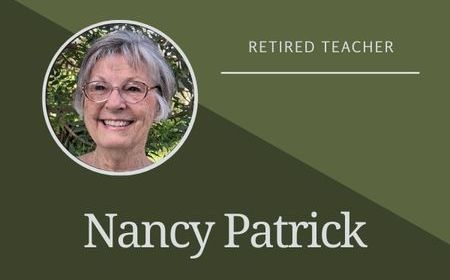
By Nancy Patrick
I love writing, and this series of essays is especially enjoyable for me because some of my readers suggested that I continue these articles. As I go through my list of class openers I called “thoughts for the day,” I recall them and remember why I chose them. Although I never “preached” lessons from these sayings, I did allow students to ask questions and make comments, a process that created many interesting discussions.
#To love and be loved is the greatest happiness of existence.
Life fills with questions as we face the daily challenges of work, school, health, relationships, and purpose. Each phase of living presents its own set of tasks to accomplish. Even though infants totally disregard expectations for them, their parents certainly do not. Moms and dads diligently record all the milestones for their babies: erupting teeth, rolling over, sitting up, eating solids, and potty training (to name a few).
Childhood, adolescence, and young adulthood offer their own prospects. As we mature in each phase, we discover that not everyone has equal potential because of many factors such as genetics, geography, politics, and economic status. Some children may begin to feel depressed as they see probable obstacles in their futures.
I love to tell people that the greatest happiness and fulfillment come, not from our achievements, but from our being. Though not measurable, love produces happiness, purpose, and fulfillment. The two-way street of love requires that we give to others as we receive from them.
If you want to actually see love (even though an abstract term), spend some time with caregivers of the handicapped and elderly. Love appears as it feeds those who cannot feed themselves, picks up those who cannot walk, cares for those who struggle with incontinence, and patiently endures unintended insults and lack of appreciation. Love in action amazes us.
#Charity gives itself rich; covetousness hoards itself poor.
This statement, an oxymoron, seems to mean the opposite of what the words say. We might think giving would make us poorer, not richer. Likewise, coveting what does not belong to us robs our souls of appreciating what we already have. People who have the spiritual gift of generosity live their lives in charitable giving, yet they grow richer spiritually with each gift given.
Similarly, covetousness consumes us with ingratitude, making us spiritually poor. Rather than being jealous or covetous of someone else’s family, money, status, possessions, looks, or anything else, we could enrich our own lives by appreciating the good we already have. One way involves observing the opposite end of the social spectrum to understand that many people lack what we have.
#There is no instinct like that of the heart.
Have you ever driven by someone on the street corner holding a sign asking for help? Have you ever had an impulse to write a note of encouragement to someone or slip $20 into someone’s pocket? These impulses or instincts come from a tender heart. I certainly cannot tell other people how to handle those impulses in their own lives, but I try to pay attention to situations that tug at my heart. I have asked God to direct me in my response to these feelings.
What I have done with this in my own life may not work for others, but it has guided me so far. In regard to panhandlers, I have done different things. I do not give them money, but I do things like take water or food, put gas in their vehicles, or guide them to many of the local agencies in Abilene.
I have learned that the tugging at my heart to send cards or slip money into a friend’s pocket means I should just do it and not waste time trying to figure it out. It’s okay if I can’t explain why I’m doing it—I just attribute it to God’s answering my prayer to be an encourager.
#Hate is spiritual suicide.
Pills, guns, or razor blades can accomplish physical suicide, but something else will kill the soul. Hatred manifests itself in bitterness, anger, hostility, vengeance, depression, and sometimes violence. Hatred that takes root in a person’s heart grows deep and strong. As time passes, the roots may become invisible on the outside, but they entwine themselves into our beings so closely they can affect not only our behavior but our physical and mental health.
We easily recognize the depth of cultural hatred when we see the disruption it causes in places like the Middle East and Africa; however, hatred in personal relationships can damage and destroy people and families. Perhaps we can save ourselves by avoiding hatred and becoming more tolerant and more forgiving. Hatred kills the hater, not the one hated.
I do not suggest that we live our lives by platitudes, but using them as guidelines can provide us with easy ways to be kind and selfless. Certainly, lives surrounded by thoughtful, generous, forgiving people are happier and more peaceful than lives among angry, hateful, and selfish individuals.
Nancy Patrick is a retired teacher who lives in Abilene and enjoys writing

