
Our Fourth of July on the Guadalupe River

By Darryl Tippens
“Surreal” is a much over-worked descriptor, but sometimes it’s the right word. My recent Fourth of July weekend on the Guadalupe River with my family was bewildering, traumatic, and surreal. For the last several summers we have vacationed in the Rockies, either in New Mexico or Colorado. This year, everyone’s calendar was unusually complicated, so we agreed: a get-away in the nearby Texas Hill Country was the solution. We booked our Fourth-of-July holiday on the Guadalupe River.
We found what promised to be the perfect place. The reviews were glowing. It had a pool, plenty of amenities, and it promised “river access.” I have great memories of quietly floating on the Guadalupe River. “River access” seemed just right.
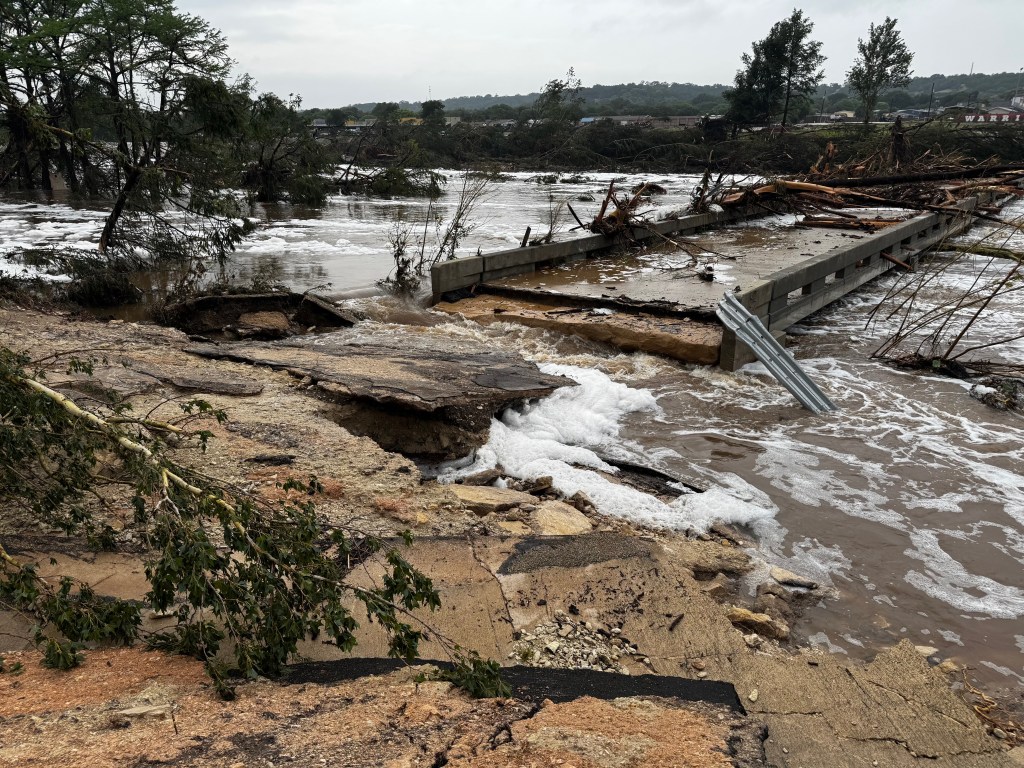
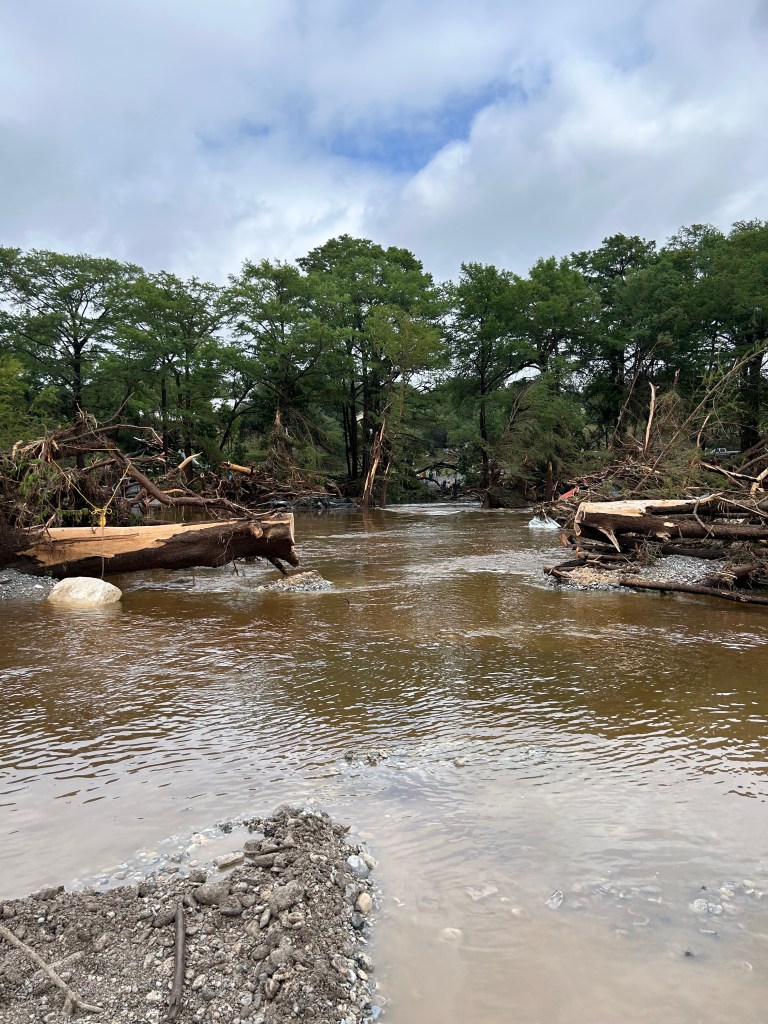
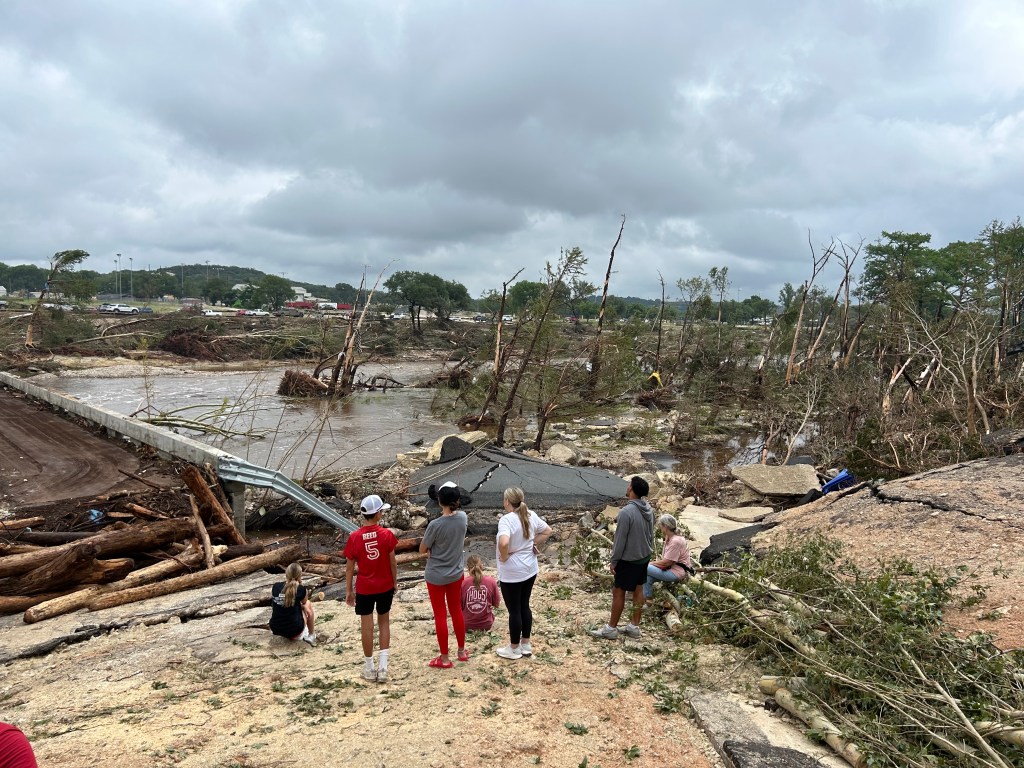
When we arrived the afternoon of July 3, I discovered that our dream retreat wasn’t quite on the water, but up a hill about 800 feet from the river’s edge. That disappointment aside, the place was commodious, and so the eight of us settled into our usual vacation rituals—exploring the house and environs, engaging in friendly banter, and preparing dinner. We even caught a funny Netflix special before bedtime. All was well.
And then the rains began.
By midnight we were in bed, but I found it hard to sleep. Anne and I were on the top floor, our heads a few feet below the ceiling of the A-frame house. The ceaseless claps of thunder and the relentless sheets of rain pounding the metal roof directly above made sleep difficult. The storm’s intensity should have told me something was amiss, but I drifted off, oblivious.
When I awoke a few hours later, it was daylight. We had no power, but our cell phones worked, and thus that morning of July 4th we began to receive a series of news reports, each new one more dire than the last. Looking outside, in the near distance, the river was well beyond its banks. The gravity of it all hit us.
All day long we watched the helicopters, twelve or more of them, flying upstream towards the village of Hunt and Camp Mystic, then downstream towards Kerrville. In the late afternoon the clouds broke, and we saw a strangely beautiful, brilliantly red sunset. I was looking for something hopeful. The old saying came to mind: “Red sky at night, sailor’s delight.” The flapping noises of the helicopters stopped at dusk, but the night was neither calm nor silent.
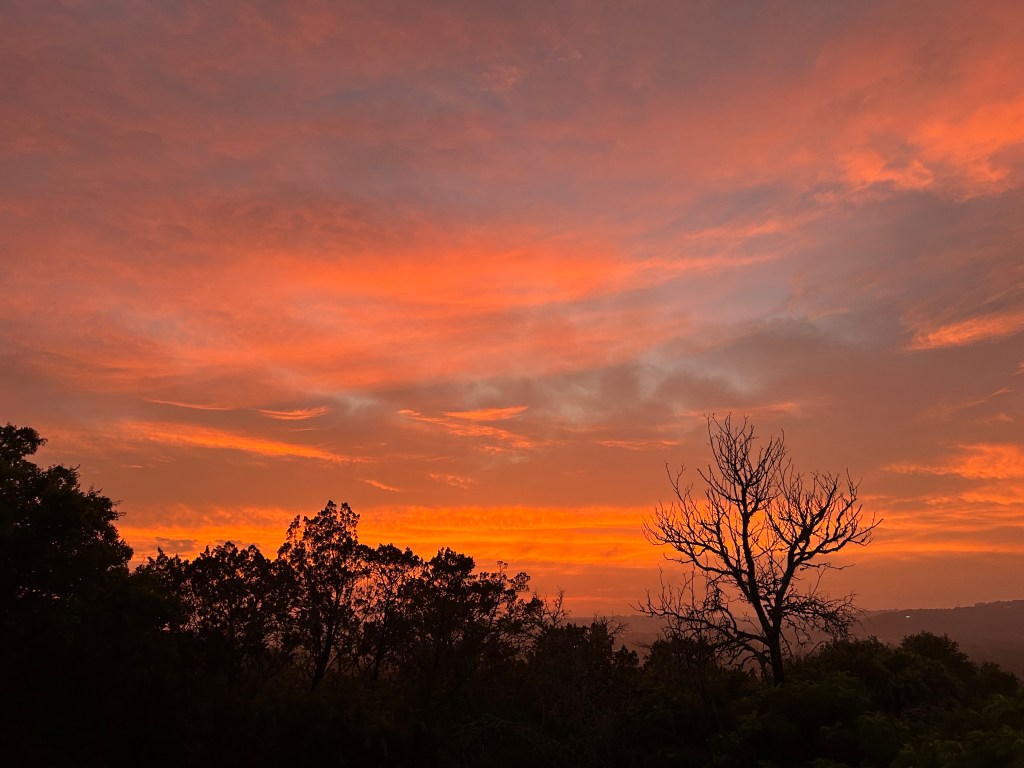
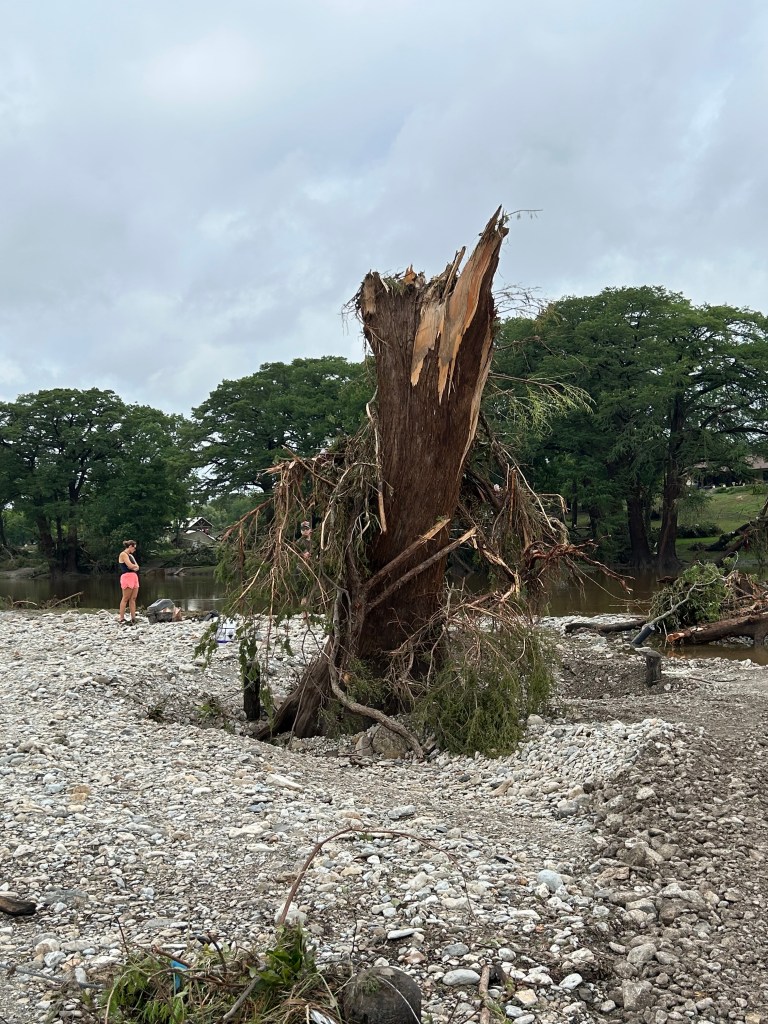
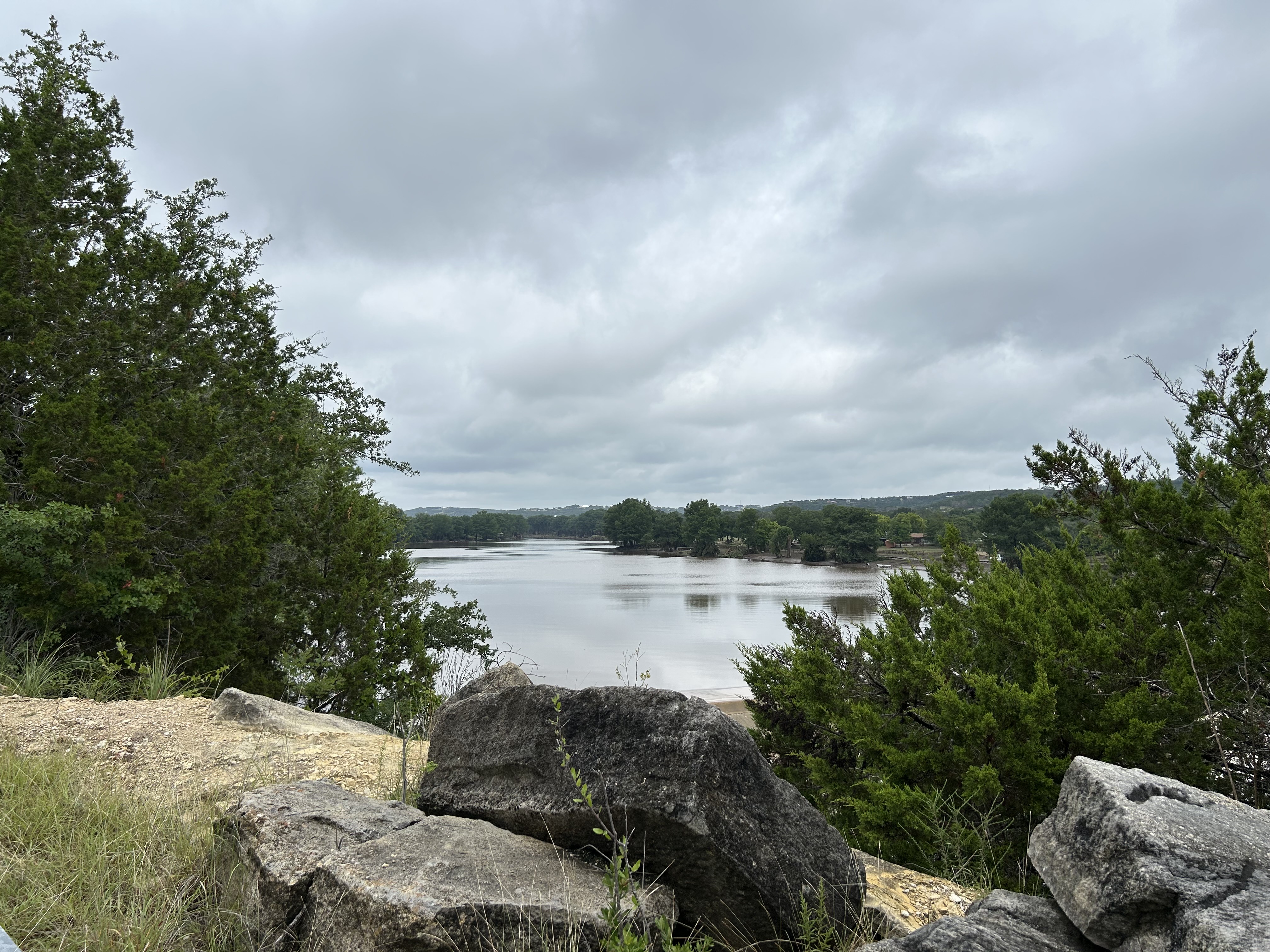
Into the late night of the Fourth, the red-and-blue lights of emergency vehicles flashed in the distance across the river from us. And incongruously, some naïve souls, I suppose young people unaware of the unfolding tragedy, celebrated Independence Day. I listened to the pop pop pop of firecrackers and watched bursts of fireworks on the outskirts of Ingram and Kerrville, but there was no joy in the displays.
It was clear how close to tragedy the eight of us had come. Though the water had quickly receded, we realized that the danger had not passed. With limited potable water and food and no electricity, we needed to leave. A delegation of the family drove to the Cade Loop bridge, the one we had crossed to reach our vacation destination. Images of this badly damaged bridge have appeared in newspapers and broadcasts around the country. The bridge and the area around it were covered in twisted debris. Most disturbing, a section of the bridge had washed away. We were cut off from the town and highway 39, our way home.
A local resident told us there might be another way out—the Rio Vista crossing, which is not a bridge but a ford, usually passable when water levels were normal. But this was not a normal time. The crossing, littered with fragments of boats and buildings, furniture, tree limbs, and even flattened vehicles, was hopeless.
We returned to look again at the Cade Loop bridge. To our surprise, the bridge was undergoing a dramatic transformation. Earlier it was a lost cause, but by late morning an army of workers with chainsaws had removed masses of tree limbs. A front-end loader was scraping the pavement free of debris and dumping it in the gaping hole where a section of the bridge had been. By late afternoon, they had filled the gap with enough dirt to make the bridge functional. Having packed up all our belongings, we were allowed to cross over slowly and head home.
Two things strike me about our Fourth of July experience. The first is the sheer difficulty of understanding the magnitude of the tragedy. There are no words adequate to the occasion. But the other thing that astonishes me is something positive: the open display of kindness of people in a time of crisis. I was very anxious for the safety of my family. Yet my fears were diminished by the spontaneous generosity of perfect strangers.
Tanner, a man who lived next-door, a complete stranger, showed up at our door with a cardboard box full of groceries. As we walked about the area, shocked by the destruction, some young people drove up in a golf cart and handed us bottles of water. Jennifer, the property manager from the rental agency, called and texted several times to see how she could help. She called the sheriff’s office on our behalf and contacted a fireman, a friend, to see if they could assist us.
Of course, I caught only a tiny glimpse of the outpouring of support being brought to this devastated region of our state. I am in awe of the hundreds, even thousands, of first responders, relief workers, and volunteers who will continue to comfort and support grieving and destitute survivors. Most of their good efforts we’ll never know, but I am grateful for the workers and volunteers I saw close-up that weekend:
The neighbor who brought us groceries from his pantry; the anonymous kids who handed out water to everybody; those chainsaw-wielding men who cleared the debris with dispatch; and, of course, that resourceful crew from the Kerr County Road & Bridge Department who, in just one day, improvised a fix to the Cade Loop bridge, which allowed my children and grandchildren to drive home safely on dry ground. All of these in their respective ways were “bridge-builders”—connecting the human community in a time of calamity. They reaffirmed my faith in the human family on that tragic weekend.
Darryl Tippens is retired University Distinguished Scholar at Abilene Christian University
 Spirit Of Abilene
What a horrific experience! This tragedy has impacted the entire nation. Thank God you and your family were spared.
LikeLike