
Watch Night Service a Tradition

Praise and worship music, testimonials, prayers, and a time for fellowship will highlight the annual Watch Night service sponsored by the Greater Abilene Minister’s Alliance.
Watch Night dates Dec. 31, 1862, when enslaved blacks gathered for “Freedom’s Eve” to await news of the Emancipation Proclamation, which would go into effect at midnight that night.
Rev. Matthew Lubin Sr., pastor of Macedonia Baptist Church, the host for this year’s service, said that is why Watch Night remains important to black people.
“This continues today as a New Year’s Eve tradition of reflection, prayer, and recommitment to faith and freedom,” he said.

Rev. Matthew Lubin Sr.
This year’s service will begin at 10 p.m. Wednesday, Dec. 31, at Macedonia Baptist Church, 608 N. 7th St. The Rev. Andrew Penns, pastor of Valley View Missionary Baptist Church, will be guest preacher.
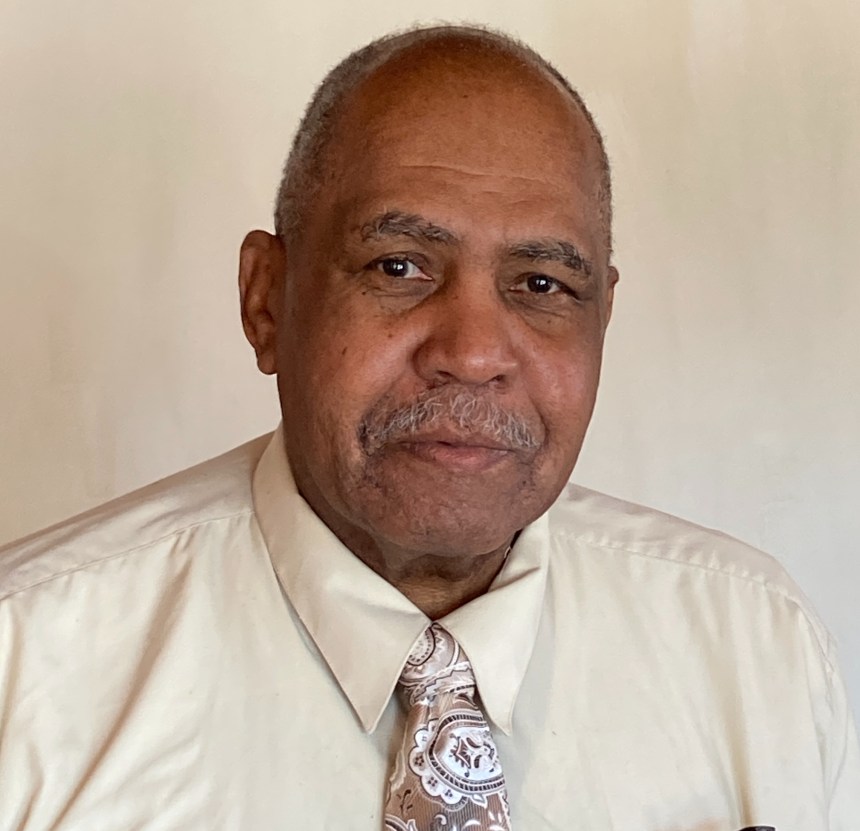
Rev. Andrew Penns
Following is an explanation of the history and significance of Watch Night from African American Registry:
https://aaregistry.org/story/the-first-black-watch-night-service-occurs-in-america/
“On this date in 1862 the first Watch Night services were celebrated in black communities in America. The Watch Night service can be traced back to gatherings also known as “Freedom’s Eve.” On that night, black
slaves and free blacks came together in churches and private homes all across the nation awaiting news that the Emancipation Proclamation actually had become law. Lincoln had used the occasion of the Union victory at Antietam to issue a preliminary Emancipation Proclamation, which freed all slaves in the rebellious states after January 1, 1863.
He justified his decision as a wartime measure, and did not go so far as to free the slaves in the border states loyal to the Union. At the stroke of midnight, all slaves in the Confederate states were declared legally free. When the news was received, there were prayers, shouts and songs of joy as many people fell to their knees and thanked God. Still, the Emancipation Proclamation deprived the Confederacy of the bulk of its labor forces and put international public opinion strongly on the Union side. Some 186,000 black soldiers would join the Union Army by the time the war ended in 1865, and 38,000 lost their lives.”
 Spirit Of Abilene