
Ramadan a Time for Deep Religious Commitment
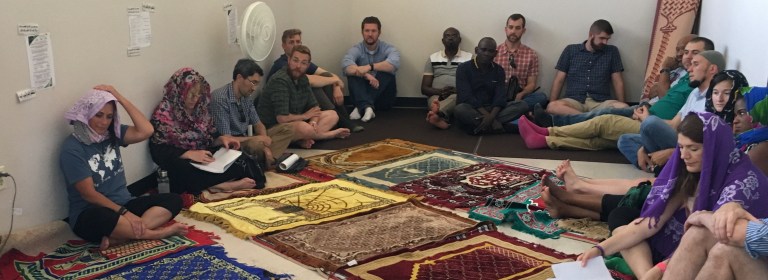
Editor’s Note: Ramadan, a month of devotion, abstinence, and spiritual reflection for Muslims worldwide, will be observed from Friday evening, Feb. 28, through Saturday, March 29. The following explanation of Ramadan was written by McMurry University student Faez Mufti.
By Faez Mufti
Ramadan: A Month of Spiritual Renewal and Devotion
Ramadan, the ninth lunar calendar month whose cycles track the moon, is a holy time for Muslims all over the world. During this time, Muslims observe fasting, supplication, introspection, and fellowship. Adult Muslims who observe this tradition, as instructed in the Quran, must abstain from all intakes of food and drink between sunrise and sunset. As the Quran states: “O believers! Fasting is prescribed for you—as it was for those before you—so perhaps you will become mindful ˹of Allah” (Quran 2:183).
Each day of fasting and refraining from other bodily requirements is concluded with a meal called iftar. Consistent with the Prophet Muhammad’s (PBUH) tradition, the meal typically begins with eating a date and taking a drink of water. In addition to the iftar meal, the night is dedicated to observances, especially collective prayers called Taraweeh.
The Challenge of Observing Ramadan in Non-Muslim Communities
For individuals who live in areas in which they represent a non-demographic plurality, complying with Ramadan duties is an extra test, physically and in a spiritual sense. This is especially true for university students, who struggle balancing fasting duties, schoolwork, night study sessions, and other obligations. The Quran provides relief in such cases by confirming that relief is granted as said in the Quran: “Allah does not burden a soul beyond that it can bear” (Quran 2:286).
Some universities and workplaces have begun to recognize Ramadan’s importance by making accommodations such as meal timings and prayer areas. While it poses a substantial amount of trouble, Ramadan develops great personal restraint and a great sense of achievement.
I’tikaf: Devotion in Seclusion
I’tikaf, an engaging spiritual exercise practiced in the last ten days of Ramadan, is a time of seclusion in a mosque for meditation and supplication. The devotees concentrate on various aspects of worship, study the Holy Quran, and attempt to increase their dedication towards Allah. The tradition is given an extra touch of sanctity due to its relationship with Ramadan, a time when Allah sent His Holy Quran down among humans. “Indeed, We sent the Qur’an down during the Night of Decree. And what can make you know what the Night of Decree is? The Night of Decree is better than a thousand months” (Quran 97:1-3). I’tikaf provides practitioners a chance to remove themselves from worldly diversions and indulge in sincere supplication, seeking forgiveness and rejuvenation of spirit.
Eid ul-Fitr: A Joyous Celebration
Muslims around the world observe Eid ul-Fitr, the “Festival of Breaking the Fast,” following Ramadan. The feast is observed with congregation prayers, special feasts, and charity. The Quran emphasizes the importance of kindness and sympathy towards others:
“And establish prayer and give zakat, and whatever good you put forward for yourselves—you will find it with Allah” (Quran 2:110). One of the most significant aspects of Eid is Zakat al-Fitr, an obligatory charity given before the Eid prayer so that all needy people can celebrate it. The members of the family sit together and eat, exchange gifts among themselves, and express gratitude to God for the blessings of Ramadan.
Conclusion
Ramadan is a month of deep religious commitment, self-denial, and communal bonding. Although difficulty in fasting during Ramadan in a non-Muslim country is a fact, it also gives interfaith sensitivity and understanding. Muslims complete this sacred month with Eid ul-Fitr. They carry to their everyday life the teachings of patience, gratitude, and determination.
For non-Muslims, it provides the opportunity to gain experience, support, and engage in interfaith discussion. The Quran states: “Indeed, with hardship comes ease” (Quran 94:6).
In a world filled with challenges, the lessons of Ramadan—patience, gratitude, and generosity—are ones that can inspire everyone, regardless of faith.
May this Ramadan bring peace and understanding to all.

Faez Mufti is a McMurry University student and president of Better Together Alliance, a McMurry interfaith organization.
 Spirit Of Abilene
Thank you for sharing this informative explanation with us.
LikeLike
A beautiful summary of what Ramadan truley is! You’ve done a great job Mr. Faez, this article summed the importance of Ramadan and gave a beautiful insight especially for the non-Muslim community who would love to know about why Muslims participate in Ramadan and what the traditions are.
Great job, loved reading it!
LikeLike