
Meet Marty CashBurless

By LORETTA FULTON
Marty CashBurless returned to McMurry University as campus chaplain in 2017 and now it is time to move on.
She won’t be leaving town right away, but the campus she has served and got her degree from will no longer be where she’ll spend time. CashBurless will retire as Director of Religious and Spiritual Life/University Chaplain effective June 30. She and her husband, Tom, will remain in Abilene for a while longer. He’s from Ohio, which is too cold and gray for CashBurless. She’s from Texas, which is too hot and dry for him.
“If we can find a balance of sunshine for me and a bit of snow and some trees for him,” she said, “we will likely give wherever that is a try.”
CashBurless earned a bachelor’s degree in English with a minor in religion from McMurry in 1978 and a master of divinity degree from Candler School of Theology at Emory University in Atlanta in 1984.
She has been a United Methodist pastor and was chaplain at the University of Mount Union in Alliance, Ohio, from 1991 until coming to McMurry in August 2017. The church, colleges, and students have changed greatly over the years, CashBurless said. The biggest change is in the rising number of students with little or no religious or spiritual background.
“Helping students to consider asking the big questions about themselves and life is a critical part of their development,” she said.
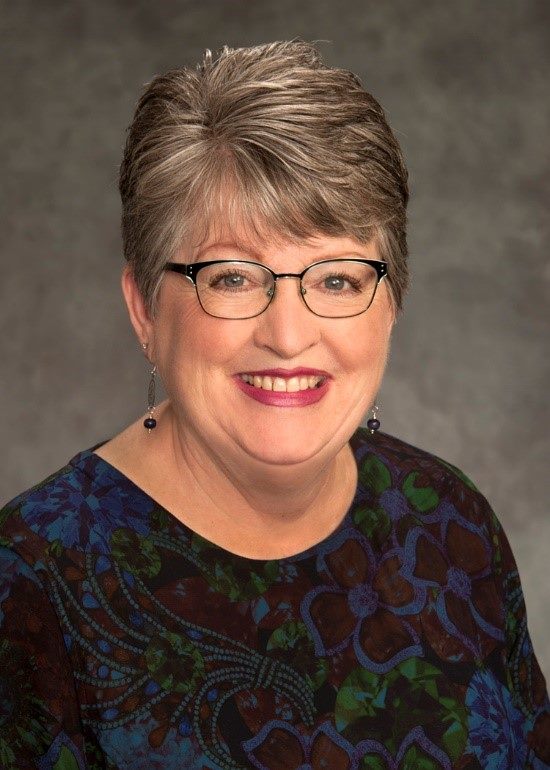
Marty CashBurless
BIO
Name: Marty CashBurless
Family: Husband Tom, certified public accountant; two grown children, Warren Burless and Megan Burless
Education: Lubbock Coronado High School, 1974; bachelor’s degree in English with a minor in religion, McMurry University, 1978; master of divinity, Candler School of Theology, Emory University, Atlanta, 1984
Experience: United Methodist Church pastor, Arkansas, 1983-88; director, Associate Council of Ministries, Little Rock Conference of the UMC, 1988-91; university chaplain, University of Mount Union, Alliance, Ohio, 1991-August 2017; Director of Religious and Spiritual Life/University Chaplain, McMurry University 2017-2023
Awards and achievements: 2008 Jane Weston Chapman Award for “efforts to disseminate women’s history, address women’s issues and generally enhance the climate for women’s participation in any and all areas of Mount Union community life.” 2014 Rev. Dr. Martin Luther King Jr. Award for “exemplifying the principles and values of Dr. King”
Professional associations: Ordained elder, Arkansas Conference of the United Methodist Church; National Association of College and University Chaplains (president 1988 and other offices); hospital chaplain, domestic violence shelter board member, Alliance, Ohio; Alpha Phi Omega Xi Upsilon Chapter adviser (national collegiate service fraternity)
Q&A with Marty CashBurless
Q Are you planning to retire or are you open to a new challenge if one presents itself?
A I am retiring the end of June and for the next six months have a sizable list of plans and events scheduled. I’ve devoted 42 years of service to ministry and chaplaincy that require hours outside of the normal schedule. I’m looking forward to a ‘normal’ schedule and more time for personal growth and traveling.
Q Much has changed in society and on campuses since you first became a university chaplain. How has that change affected your campus ministry?
A In 32 years of chaplaincy the way in which we receive information about incoming students has changed. FERPA prevents us from giving out private information which was previously not the case. In the early ‘90’s we could send to a church our student names, phone numbers and campus mailbox addresses so they could connect. Due to privacy restrictions, I now invite churches to send their information to us for distribution to students via a blind copy email that protects all student information. In 1991, I did not have a system for making sure groups and churches were properly registered before coming to campus for programs or presentations. Now, due to safety concerns and other precautions, the Religious & Spiritual Life office has to clear anyone coming to campus through a registration process for the chaplains to manage. Title IX practices need to be observed and training needs to take place. It is safer overall for our campus community but a lot more paperwork now.
Q What are some of the challenges you have faced in the past five to ten years that you didn’t face when you first became a campus minister?
A The rising number of students with little or no religious or spiritual affiliations or backgrounds has meant that finding ways to connect and communicate can be limited. Helping students to consider asking the big questions about themselves and life is a critical part of their development. Building trust is so important even as students may have no understanding about what a chaplain does. Creating relationships with a wider variety of students whether they are the ‘nones’ (no background in religion or spirituality), Christians, Jews, Hindus, Buddhists, Muslims, or even practitioners of earth religion traditions means knowing more about the people who live in and populate our communities and our world. My own Christian identity has led me to practice the biblical tradition of hospitality. I have a poster that shows the different ways that other religious traditions understand what is often called the golden rule. If I treat others as I wish to be treated then it means that we may be able to find some common space for connecting with one another.
Additionally, I think we are experiencing some delayed social development with our traditional students. We are having to spend time teaching simple nutrition, mental health self-care, how to communicate face-to-face, what to wear for a job interview or student teaching, how to follow through with paperwork, and even how to clean a room. I cannot expect a student to be able to consider those big questions if they can’t function as a young adult.
Q Has the split in the United Methodist Church affected your campus ministry? Are students turned off to church life because of it?
A Yes, there have been fewer students looking into vocational ministry due to the changes in denominational affiliations. They have been stressed by it and are not ready to risk the potential for rejection by anyone.
The numbers of students who list as nondenominational has increased pretty significantly over the years as have the numbers of students who simply decide that ‘religion’ is not for them. The present reality is that in the U.S. somewhere around 30% of adults no longer claim a connection with what is traditionally called organized religion. It is not surprising to me that our students would reflect some of that in their attitudes and practices. I can recommend a good book on the changes happening on campuses and in our communities. Choosing Our Religion: The Spiritual Lives of America’s Nones by Elizabeth Drescher is a helpful look at how ‘nones’ are answering their big questions.
Q Will you remain in Abilene or move when your retirement becomes effective?
A I plan to stay around for a while as my husband and I decide where next to reside. We know that northeast Ohio (where he is from), is too gray and cold for me, and Texas (where I am from), is too hot and dry for him. If we can find a balance of sunshine for me and a bit of snow and some trees for him, we will likely give wherever that is a try.
Q Has McMurry started the process of replacing you?
A The university is in the process of completing the interview process and should have someone in place very soon.
Q Anything else you wish to add
A If you ask me what I am going to miss, it is going to be a long answer. I have always considered the whole campus community part of the chaplaincy. The groundskeepers, housekeepers, kitchen and serving staff, administrative staff, coaches, faculty, even alumni and trustees are important to how the whole university functions. I have loved being able to learn about families and friends as we journey through life together. The students are our primary focus but early on I witnessed how they (students) learned from watching how the campus community worked together or didn’t work together at times. In crisis, when we stood together, our students saw that and would take their cues from it. In celebration, we could make those powerful and important memories for everyone to enjoy. It has been a good experience and I am very grateful to have been able to be a part of it.
 Spirit Of Abilene