
Hephzibah, Hezekiah, and Beulah

Editor’s Note: March is Women’s History Month. Spirit of Abilene will highlight influential women, including biblical figures during the month.
Click here to read Delivering the Deliverer: The Women of Exodus 1 and 2 by Leslie Strader.
By Grace Sosa
I was an English major in college, but, like most people, there are still some literary classics that I haven’t read. This year I decided to read Silas Marner for the first time. Not only is it rich with religious themes, but it was written by a woman—George Eliot (the pen name of Mary Ann Evans).
In the novel, a toddler wanders into the house of the miserly weaver, Silas Marner. After finding that her mother has died in the snow, Marner decides to adopt the child as his own. Marner has not been to church in his town of Raveloe, but his mothering neighbor, Dolly, insists that the child should have a christened name. Marner responds, “My mother’s name was Hephzibah…It’s a Bible name…We’ll call her Eppie.”
I don’t consider myself a biblical scholar, but I do have a Master of Divinity degree, and I do teach the Bible for a living. So I was a bit surprised to find that I had never heard of this Bible character. A quick Google search revealed that Hephzibah wasn’t just a name in a genealogy; she was a character (albeit a minor one).
Hephzibah was the wife of Hezekiah, whose name you’re more likely to recognize. Her name means, “my delight is in her.” It makes sense for Eliot to choose this name for Marner’s daughter. Marner delights in her more than any of the gold he ever treasured.
We find one more mention of Hephzibah’s name in scripture. Isaiah 62:4 reads, “No longer will they call you Deserted, or name your land Desolate. But you will be called Hephzibah, and your land Beulah; for the Lord will take delight in you, and your land will be married.”
Again, you probably recognize the name Beulah before the name Hephzibah. In his Pilgrim’s Progress, John Bunyan calls the place on the border of the Celestial City “The Land of Beulah.” Or maybe you’ve heard the song “Beulah Land” made popular by Bill and Gloria Gaither. But I can’t recall any songs about Hephzibah.
In many ways, the collective forgetting of Hephzibah is not surprising. The Bible has lots of characters, after all, and many who do more important things. But, for some reason, George Eliot remembered her. And by choosing her name for a character in her novel, the cultural memory of this character lives on.
March is Women’s History Month. It’s a time when we remember women who courageously worked for women’s rights. Women like Susan B. Anthony, Jane Addams, Elizabeth Cady Stanton, Helen Keller, and Ida B. Wells. Maybe they’re our Hezekiahs or our Beulahs. But this March, I’m looking for the Hephzibahs of women’s history—women whose names are written in our history books, but we may have forgotten. Women whose stories may not seem as exciting as others but deserve to be remembered.
And maybe when we discover their stories, our response will be, “my delight is in her.”
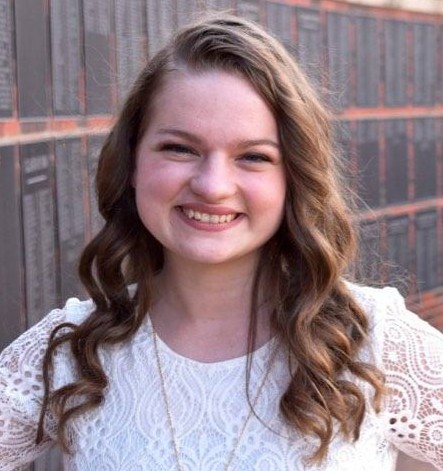
Grace Sosa is Associate Pastor for Youth Ministry, First Central Presbyterian Church
 Spirit Of Abilene
Pingback: Mary Baker Eddy, Spiritual Pioneer | Spirit Of Abilene
Nice job, Grace! I love George Eliot’s work. My son did his dissertation on her and several of her works. They contain a lot of religious connotations. My son, Jason, names his mini-dachsunds after her characters. The last two have been Eppie and Maggie.
LikeLike