
Kathleen Norris: Pilgrim, Poet, Personal Spiritual Guide

Kathleen Norris Presentations
Religion writer Kathleen Norris will be in Abilene this week to speak several times at the Episcopal Church of the Heavenly Rest, 602 Meander St. The public is invited to all the presentations. On Wednesday, Nov. 8, she will be special guest at the church’s weekly dinner at 6 p.m. in Gerhart Hall. Admission is free. A book sale and signing will follow. At 7 p.m. Wednesday Norris will speak on “Holy Invitation” in the nave. A Q&A will follow. On Sunday, Nov. 12, Norris will deliver the sermon during the 10:30 a.m. worship service. Click here for more details
By DARRYL TIPPENS
There are many reasons to love the writings of Kathleen Norris. And there are good reasons to love and admire the personable, friendly author herself. How fortunate that Ms. Norris will be speaking at the Episcopal Church of the Heavenly Rest on Wednesday and Sunday, November 8 and 12.
No one writes quite like Kathleen Norris, particularly about religious topics. She is blunt, funny, unpredictable, insightful, and refreshingly original. Her first career was as a poet, and her gift for lyrical precision shines in all her prose as well. Few question the clichés and pieties of our day like Norris, and few writers of faith today deal as directly and honestly with matters of doubt, despair, and faith as honestly as she does.

Kathleen Norris
Norris has an uncanny gift for exposing and making sense of the central paradoxes of the Christian faith. She considers how loneliness can lead to spiritual discovery: “I am learning to see loneliness as a seed that, when planted deep enough, can grow into writing that goes back out into the world.” She mines the paradox that brokenness can lead to love: “For some reason we human beings seem to learn best how to love when we’re a bit broken, when our plans fall apart, when our myths of our self-sufficiency and goodness and safety are shattered.” Sometimes she reveals how the serious and the funny meet: “I regard monks and poets as the best degenerates in America.” In Norris’s books one finds the proximity of the miraculous and the humorous, holiness and humanity: “You do not have to be holy to love God. You have only to be human,” she observes.
I love how grounded Norris’s insights are. I mean this literally. For Norris spirituality is not ethereal or abstract, but as down to earth as the dirt we walk on. Dakota: A Spiritual Geography was the first work I ever read by Norris. I remember wondering initially, “What is spiritual about geography?” In her New York Times “Notable Book of the Year” she shows you. Living on the plains—living in Abilene, Texas, I learned—one can discover how arid, open spaces on the plains offer a unique space to encounter the sacred.
For Norris the mysteries of God are everywhere about us. In ordinary places and ordinary tasks, the sacred lurks. She writes: “I have come to believe that the true mysteries of the quotidian are not those who contemplate holiness in isolation, reaching godlike illumination in serene silence, but those who manage to find God in a life filled with noise, the demands of other people and relentless daily duties that can consume the self.”
While each Norris book stands on its own, together they compose a kind of extended spiritual autobiography. In her several books—such as Dakota, Amazing Grace, Acedia and Me, The Virgin of Bennington, and The Quotidian Mysteries—Norris invites readers to join her journey and consider how suffering and doubt can lead to a deeper faith. As one friend, Gary Ciuba, said of her work, “As we follow her writing, she makes us feel that we trace our own journeys from heart-sickness to a graced and luminous abundance.”
There are few overtly “religious” books I can recommend without reservation to a skeptic or unbeliever, but any book by Norris I can readily recommend. Her message is clear, honest, and inviting. Her clarity, frankness, lyrical grace, humility, humor, and humble welcoming spirit have a good chance of generating a positive response, regardless of one’s religious disposition.
I have happily crossed paths with Kathleen Norris a couple of times. I once was privileged to introduce her at a lecture at a Christian college in Oklahoma a few years ago. Most recently, I presided at a meeting of the Conference on Christianity and Literature when the organization presented her its rare Lifetime Achievement Award. True to her character, she received the honor with generous and thoughtful remarks. The person I met that day when we honored her mirrors the person you meet in her pages—a humble, sage, and original soul. How fortunate we are that Kathleen Norris will be spending a week with us in Abilene.
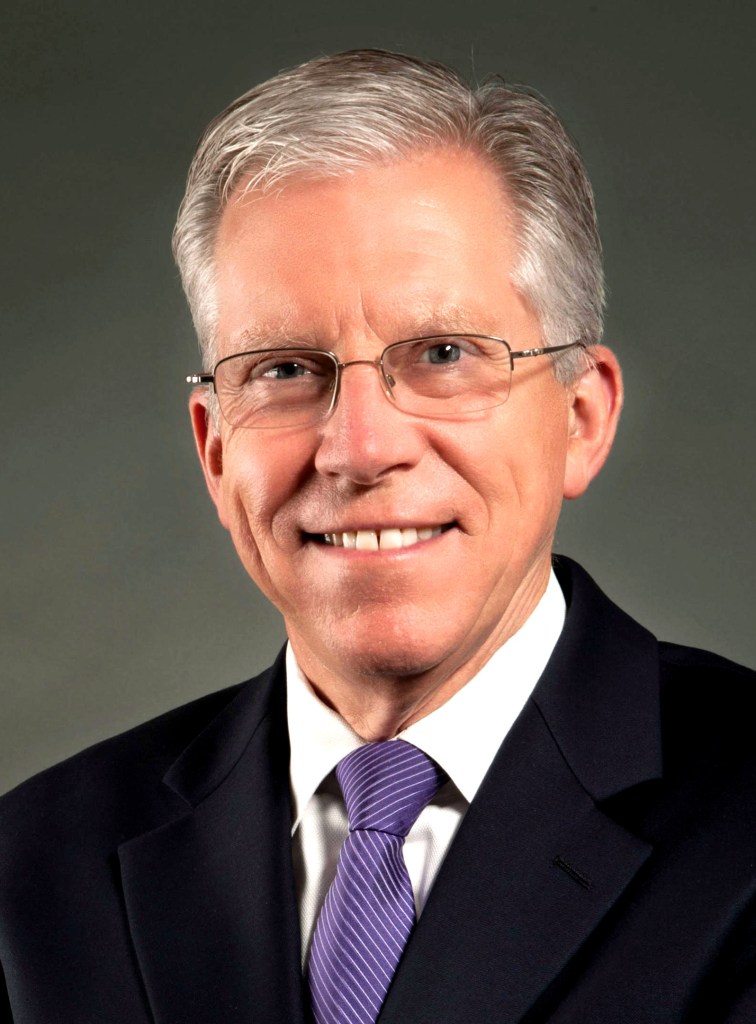
Darryl Tippens is retired University Distinguished Scholar at Abilene Christian University
 Spirit Of Abilene